
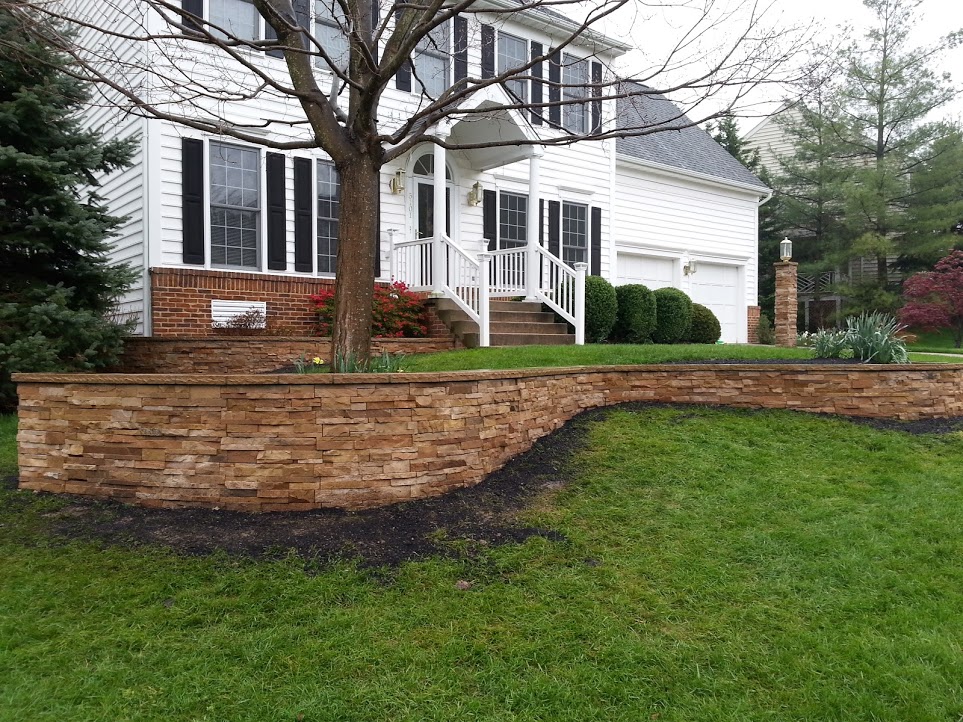
Residential retaining walls are an essential landscaping feature that serves multiple purposes. They are used to hold back soil, creating terraced areas for gardening, and preventing erosion. In addition, they can add value and aesthetic appeal to a property.
One popular use for residential retaining walls is for the creation of raised beds. Raised beds are an excellent way to create a garden in an area with poor soil. They are also ideal for people with mobility issues, as they can be built at a height that is comfortable for them to work on. Retaining walls make excellent raised beds because they can be built to any height and shape, allowing for the creation of custom designs. Additionally, retaining walls can be made from a variety of materials, making it easy to find the right one to match the aesthetic of the surrounding landscape.
Another important use for residential retaining walls is erosion prevention. Soil erosion can be a serious problem, leading to loss of topsoil, soil compaction, and even landslides. Retaining walls are an effective solution to erosion, as they hold back the soil and prevent it from being washed away by rain or wind. This can help to protect homes and other structures, as well as maintaining the integrity of the surrounding landscape.
There are several types of materials that can be used for residential retaining walls. The most common types include dry stack, masonry, prefabricated, and stone.
Types of Materials
Dry stack retaining walls are made by stacking stones or concrete blocks on top of each other without the use of mortar. This creates a rustic, natural look that is ideal for more informal landscapes. Dry stack walls are also relatively easy to build, making them an excellent DIY project.
Masonry retaining walls, on the other hand, are made from individual stones or bricks that are held together with mortar. These walls are more formal in appearance and can be used to create intricate designs. Masonry walls are also highly durable and can last for many years.
Prefabricated retaining walls are pre-made and can be installed quickly and easily. They come in a variety of styles and materials, making it easy to find one that matches the surrounding landscape.
Finally, stone retaining walls are made from natural stone and are often used to create a natural, organic look. Stone walls can be built in a variety of styles, from rustic to formal, and are highly durable.
In conclusion, residential retaining walls are a versatile and useful landscaping feature that can serve many purposes. They can be used to create raised beds for gardening, prevent erosion, and add value and aesthetic appeal to a property. With a variety of materials to choose from, including dry stack, masonry, prefabricated, and stone, it is easy to find the right retaining wall for any landscaping project.