
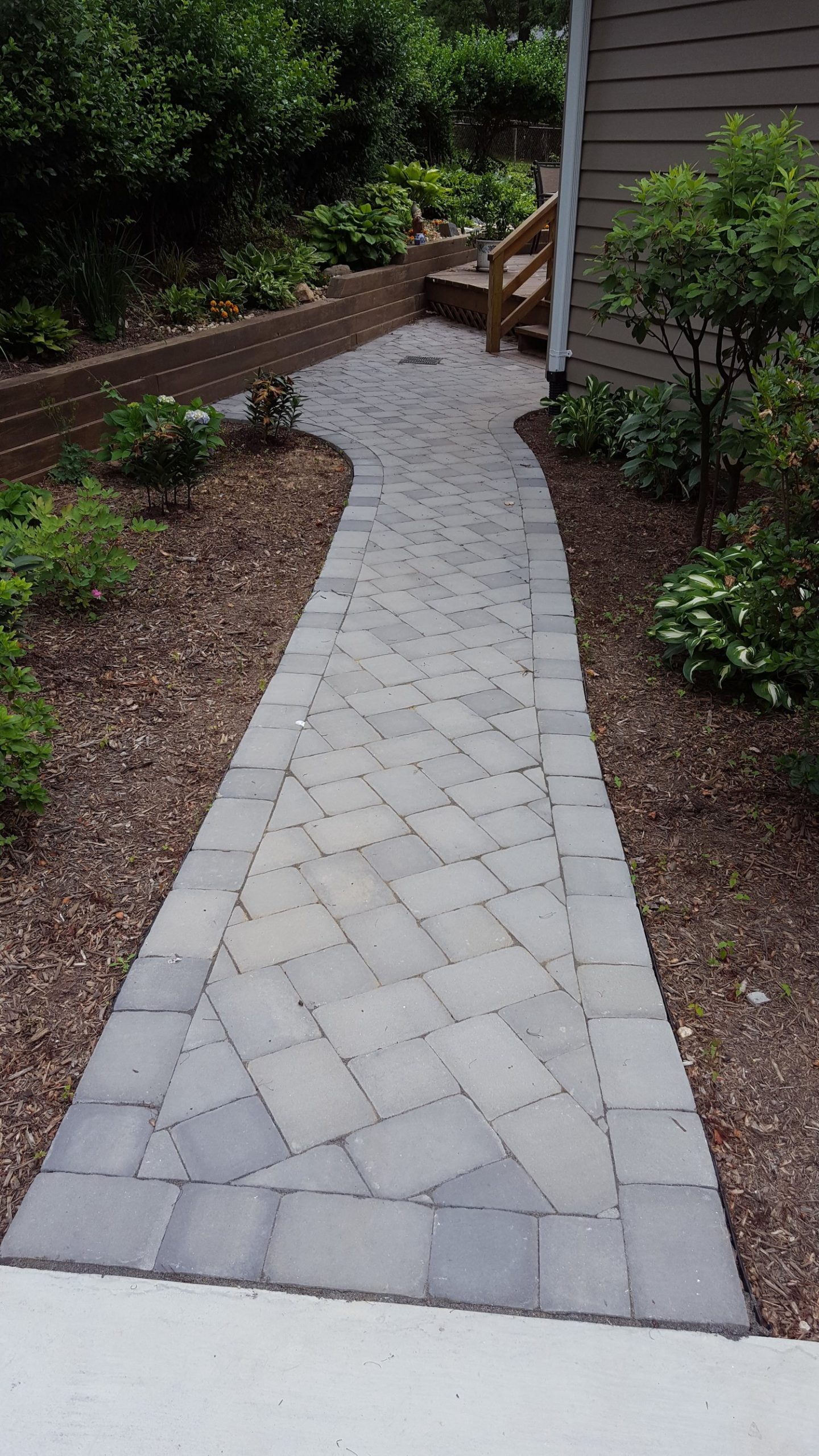
Residential walkways are a great addition to any property as they not only provide accessibility but also significantly enhance the curb appeal of a home. A well-designed walkway can create an inviting and welcoming atmosphere, while also increasing the value of the property.
Benefits of Residential Walkways
One of the main benefits of residential walkways is that they provide accessibility for homeowners and their guests. They allow people to safely and easily navigate around the property, particularly in areas that may be difficult to walk on such as uneven terrain or grassy areas. A well-designed walkway can also provide a smooth and level surface, which is particularly important for those who may have mobility challenges or use mobility aids such as wheelchairs or walkers.
Residential walkways also enhance the curb appeal of a home. They can help create an inviting and welcoming atmosphere, while also improving the overall appearance of the property. A beautiful walkway can create a sense of warmth and character, particularly when it is designed to complement the architecture of the home and the surrounding landscaping.
How Residential Walkways Fit into the Landscaping Plan
When designing a residential walkway, it is important to consider how it fits into the overall landscaping plan. The walkway should be designed to complement the surrounding environment, including the architecture of the home, the landscaping, and the natural elements such as trees and shrubs. The style of the walkway should also be consistent with the style of the home, whether it is traditional, contemporary, or rustic.
The design of the walkway should also take into account the size and scale of the property. A large property may require a wider and more substantial walkway, while a smaller property may be better suited for a more narrow and subtle walkway. It is important to consider how the walkway will flow throughout the property, particularly if it is connecting different outdoor areas such as the front yard, backyard, or patio.
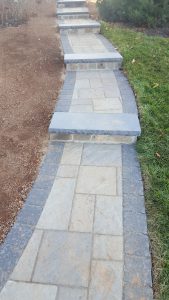
Residential walkways can be strictly utilitarian or stylish, made of attractive pavers and bricks, to provide easier accessibility to your house.
Types of Materials Used for Residential Walkways
There are many different materials that can be used for residential walkways, each with their own unique advantages and disadvantages. Some of the most common materials include flagstone, concrete, pavers, and brick.
Flagstone is a popular choice for residential walkways as it is durable, natural-looking, and provides a non-slip surface. It is available in a variety of colors and textures, making it a versatile option for a range of design styles.
Concrete is another popular option for residential walkways as it is affordable, durable, and easy to maintain. It can be colored and textured to create a range of different design options, and can be used to create a range of shapes and patterns.
Pavers are a versatile option for residential walkways, as they are available in a range of materials including concrete, stone, and clay. They are durable, easy to maintain, and provide a non-slip surface. Pavers can also be used to create a range of different patterns and designs, making them a great option for a range of design styles.
Brick is a traditional option for residential walkways, providing a classic and timeless look. It is durable, easy to maintain, and provides a non-slip surface. Brick can be used to create a range of patterns and designs, and is available in a range of colors and textures.
Conclusion
Residential walkways are a great addition to any property, providing accessibility and enhancing the curb appeal of a home. They can be designed to complement the surrounding environment, and can be made from a range of materials including flagstone, concrete, pavers, and brick.